

The Telescopes Made Using Fish Bladders
Exhibit 034: Celestial or animal?

Welcome to the Museum of Cosmic Curiosities, a growing collection of strange objects, forgotten artefacts and obscure relics from the history of astronomy and space exploration. Some are profound, some are absurd, but they all have a story to tell.
🏛️ Exhibit 034 - The Telescopes Made Using Fish Bladders
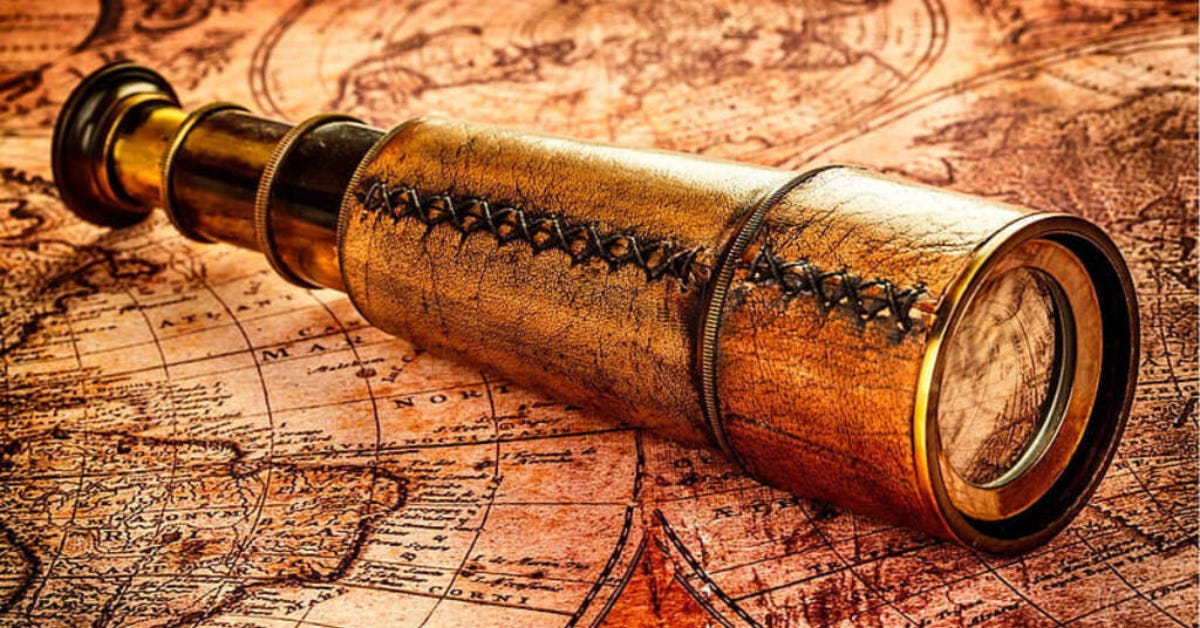
Few inventions have revolutionised the way we think about ourselves more than the telescope.
Emerging in Holland in the early 17th century, the design quickly evolved to boost magnification dramatically. These early telescopes relied on lenses rather than mirrors.
One of the challenges was how to secure the delicate optical components. After all, the last thing you want is for your optics to slip and ruin the view.
Early telescope makers often turned to animal-based glues. This included the innocuous-sounding isinglass.
Isinglass is a gelatinous substance derived from the swim bladders of fish, usually sturgeon. Crucially, it dries exceptionally clear, reducing any cloudiness that could scatter light and degrade the image.
It also shrinks less than many other animal glues as it dries, meaning it exerts less stress on fragile lenses - an important consideration in early optical work.
As the centuries peeled away, instrument makers found new ways to construct their telescopes.
But isinglass is still used today, including by the brewing industry to make pints of beer clearer.
Yum!
🏛️ Browse all exhibits in the Museum of Cosmic Curiosities here
🔭 Want more like this?
Keep an eye out for new Museum entries in the weekly newsletter.
Better yet, update your preferences to get future Museum posts sent straight to your inbox.
I desperately need to know more about the properties of isinglass...
I always look forward to these historical oddities you offer!