


Sugars aren’t just for taking the bitter edge off your coffee or for dusting over donuts. The group of molecules is a critical ingredient of life on Earth, forming a fundamental part of both DNA and RNA.
The trouble is that there wasn’t sufficient time between the formation of the Earth and the advent of life for enough sugars to form. So, instead, they must have become part of our planet pre-packaged or delivered here after formation.
This idea is cemented by the discovery of sugars in samples from asteroids and meteorites. These rocky worlds are the leftover chunks from planet formation, lumps that didn’t quite make it into our world. However, astronomers had never spotted sugars in interstellar space before.
Until now.
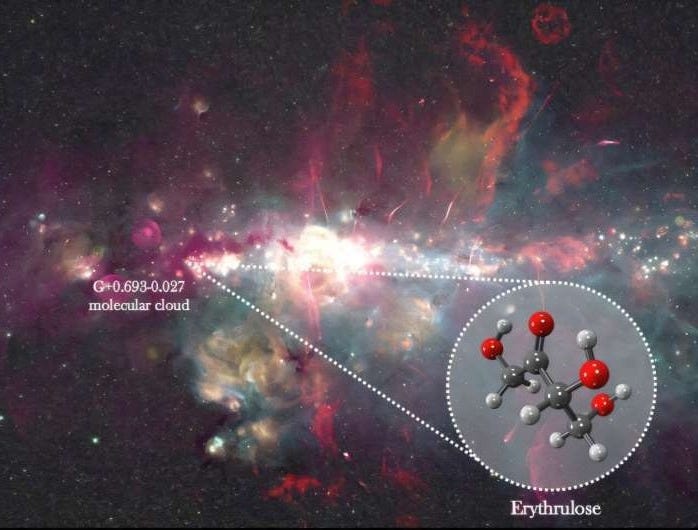
An international team led by Izaskun Jiménez-Serra has now identified the first sugar in interstellar space: erythrulose. On Earth, it is commonly found in raspberries and sunless tanning products. Jiménez-Serra’s team found it lurking in a cloud close to the centre of the Milky Way.
If it is prevalent through the galaxy, the team estimates that between 0.5 and 50 million tons of erythulose could have reached Earth's surface during the Late Heavy Bombardment, which occurred approximately 4.1–3.8 billion years ago.
That’s around the same time that the first life arose on the Earth.
📸 Image of The Week
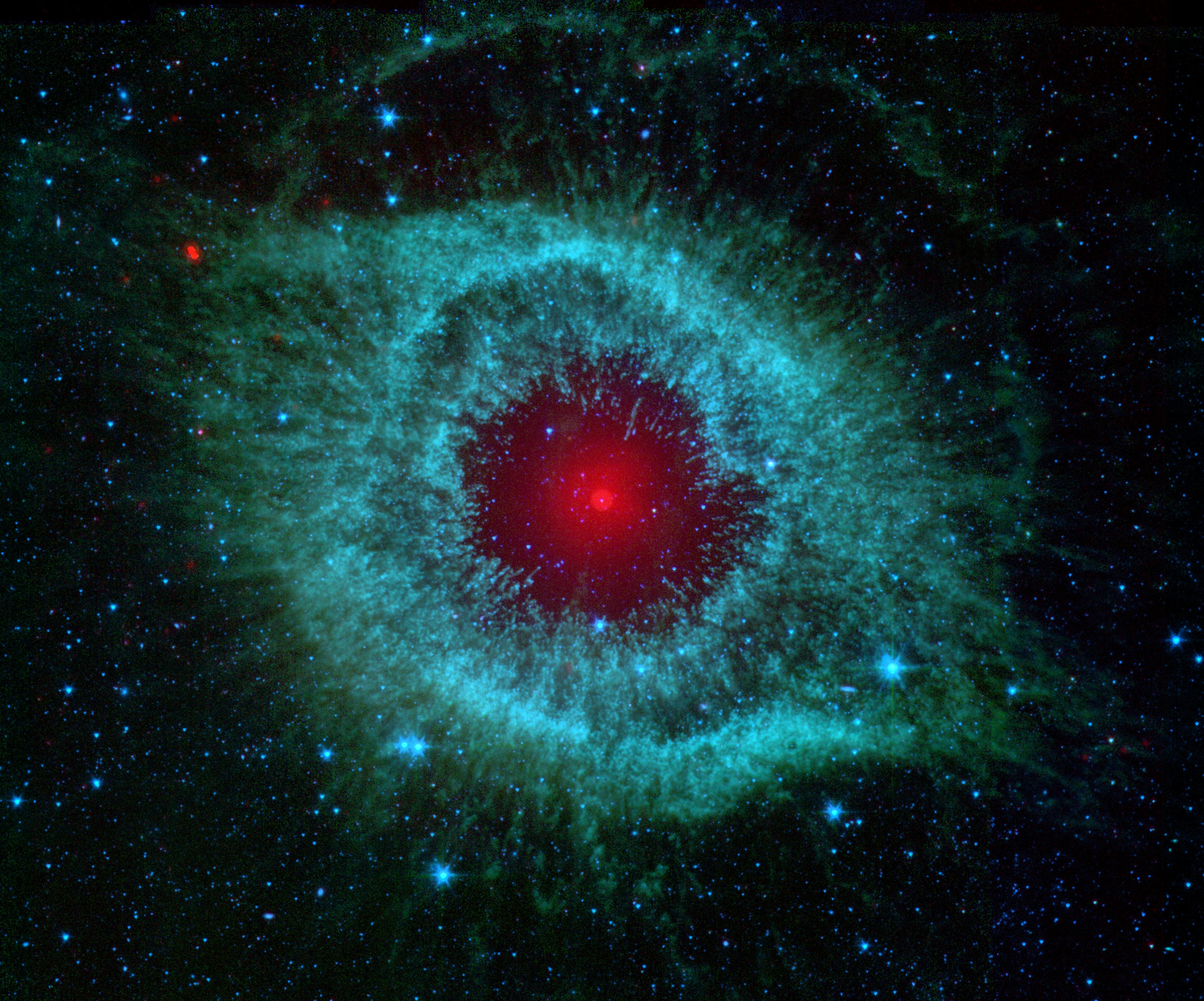
The Helix Nebula, as seen by NASA's Spitzer Space Telescope.
The brighter red circle in the very center is the glow of a dusty disc. This dust, discovered by Spitzer's infrared heat-seeking vision, was most likely kicked up by comets that survived the death of their star.
🏛️ From the Club’s Museum of Cosmic Curiosities
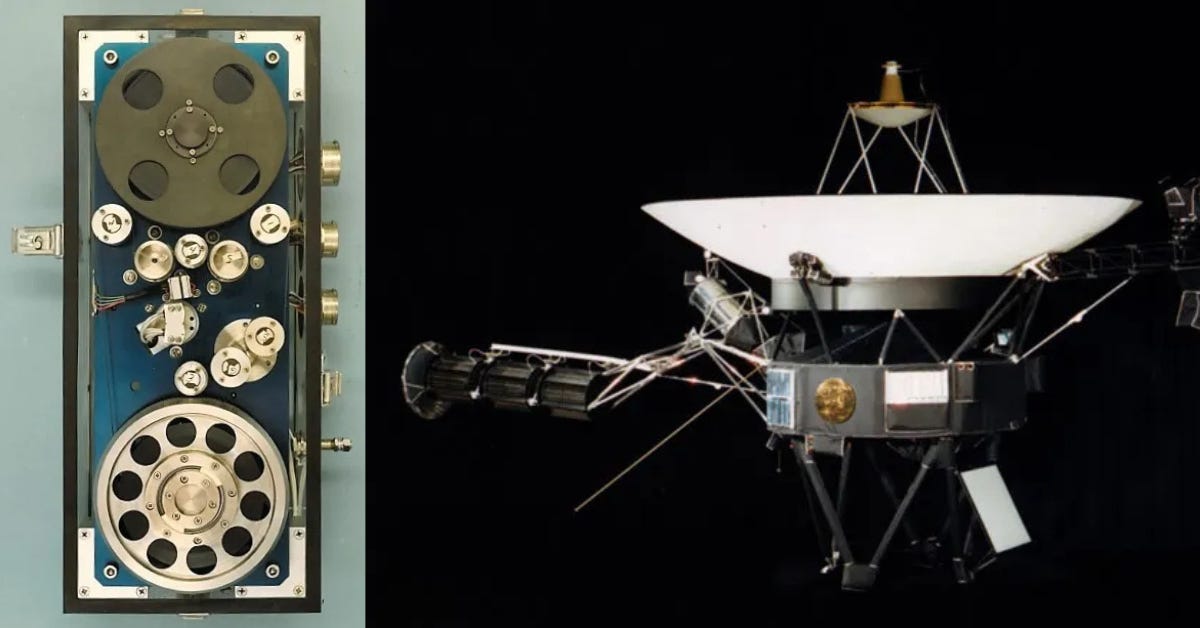
Exhibit 040 - Voyager 1’s Data Tape Recorder
Later this year, the Voyager 1 space probe will realise a remarkable milestone. It will reach a distance of one light day from Earth.
Let that sink in for a moment. The spacecraft will have travelled so far from home that any signals it sends back will take a full day to reach us. That’s despite those signals travelling at 300,000 kilometres per second.
Launched in 1977, Voyager 1 - and its twin Voyager 2 - were dispatched to survey the outer solar system by taking advantage of a once-in-a-175-year alignment of the giant planets.
The other remarkable thing about the probes is that they are mostly still working.
Each probe carries a Digital Tape Recorder (DTR) equipped with a 328 metre continuous loop of magnetic tape. This system was designed to last until the tape had spooled through a total distance comparable to the width of the United States.
Imagine playing a two-hour video cassette on a home VCR once a day for many decades without a failure. Let alone doing the same thing in space.
Voyager 2’s tape held out until 2017, when mission controllers were forced to switch to sending data directly back to Earth rather than saving it to the tape.
In recent years mission scientists have been working to access data still stored on Voyager 1’s tape.
One final word on the Voyagers, to clear up a common misconception.
It is sometimes said they have left the solar system, but they haven’t. Instead they have left the heliosphere - the magnetic bubble the Sun carves out in space. The probes are still well within the orbits of some of the bodies that swirl around the Sun.
🧭 Like this?
Your Astronomy Club membership comes with a free pass to the full Museum of Cosmic Curiosities, a growing cabinet of strange, profound & surprising objects from the history of astronomy and space exploration.
In other news…
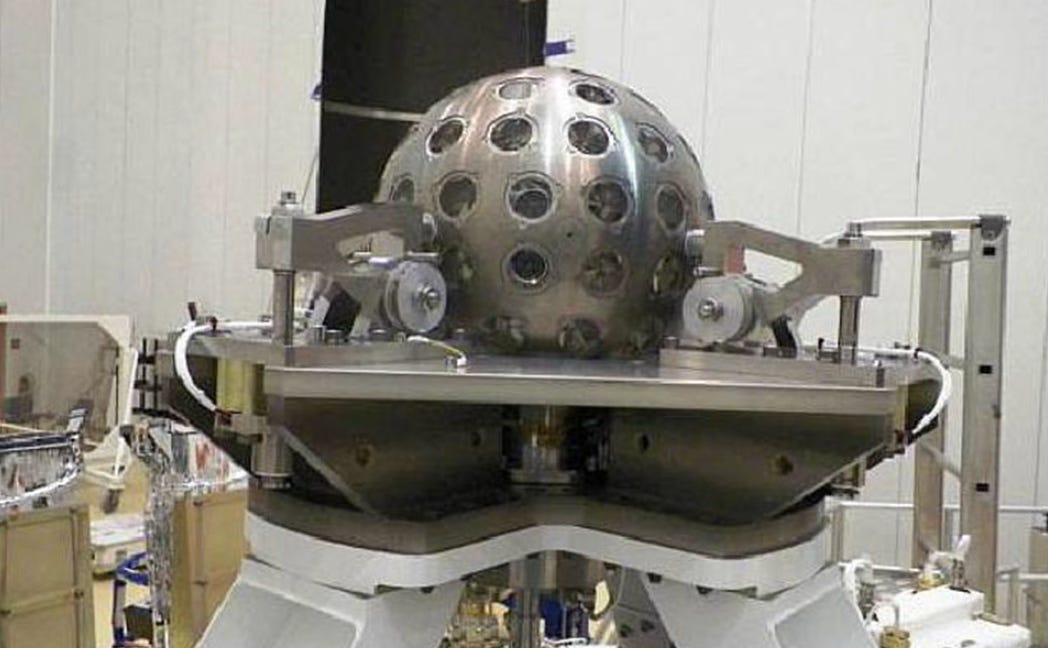
An orbiting disco ball gives Einstein’s theory its most precise test yet
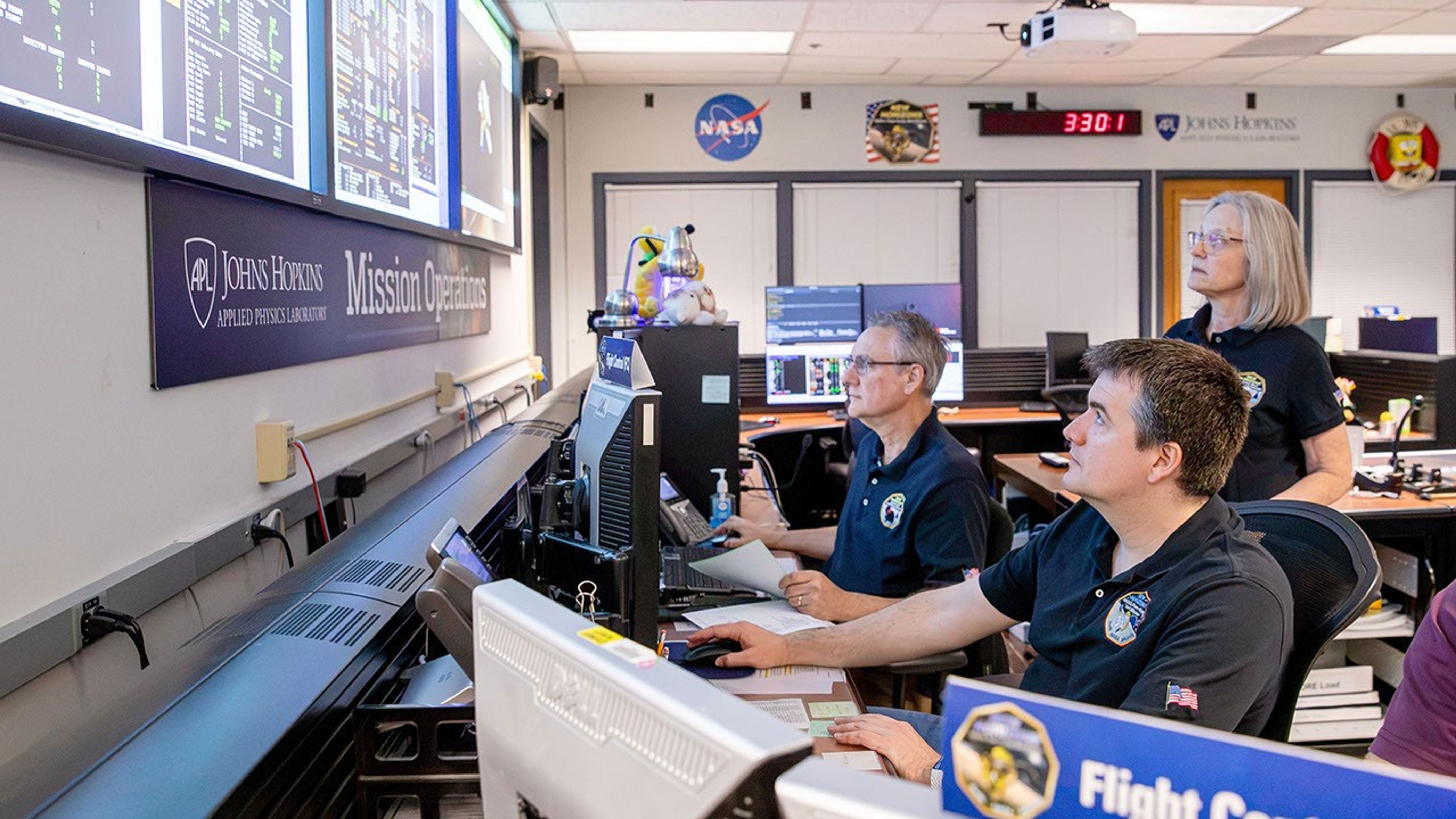
NASA’s New Horizons Spacecraft Wakes from Hibernation in Good Health
Scientists think much of Earth’s space dust comes from an asteroid no one has ever found before
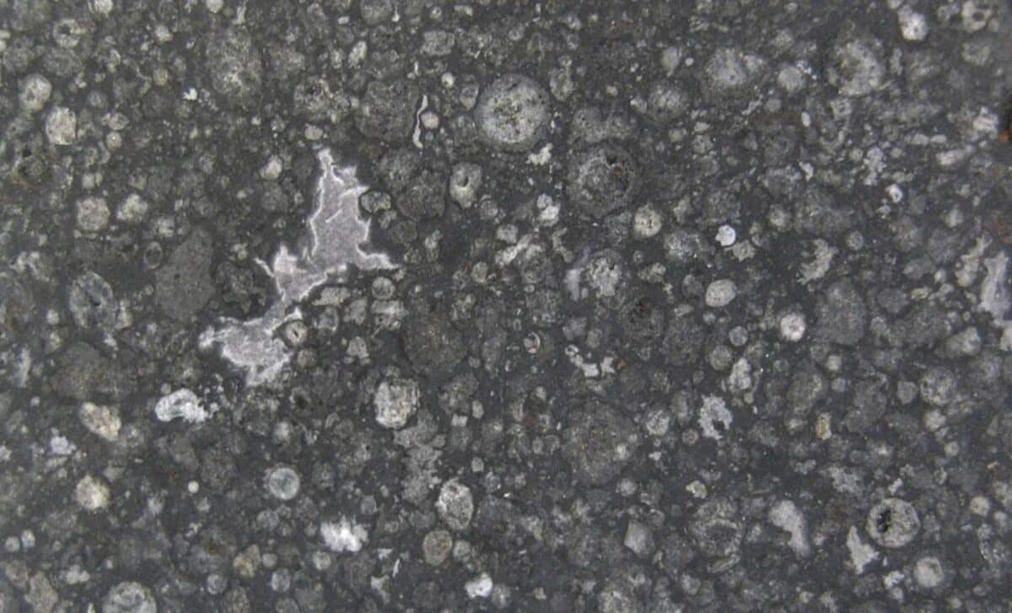
Since sugar compounds and nucleotide base ingredients have been found outside of our home planet, I think that just expands our confidence in the existence of extraterrestrial life.
I remember the launches of Voyagers 1 and 2 clearly. They have turned out to be amazing machines.