


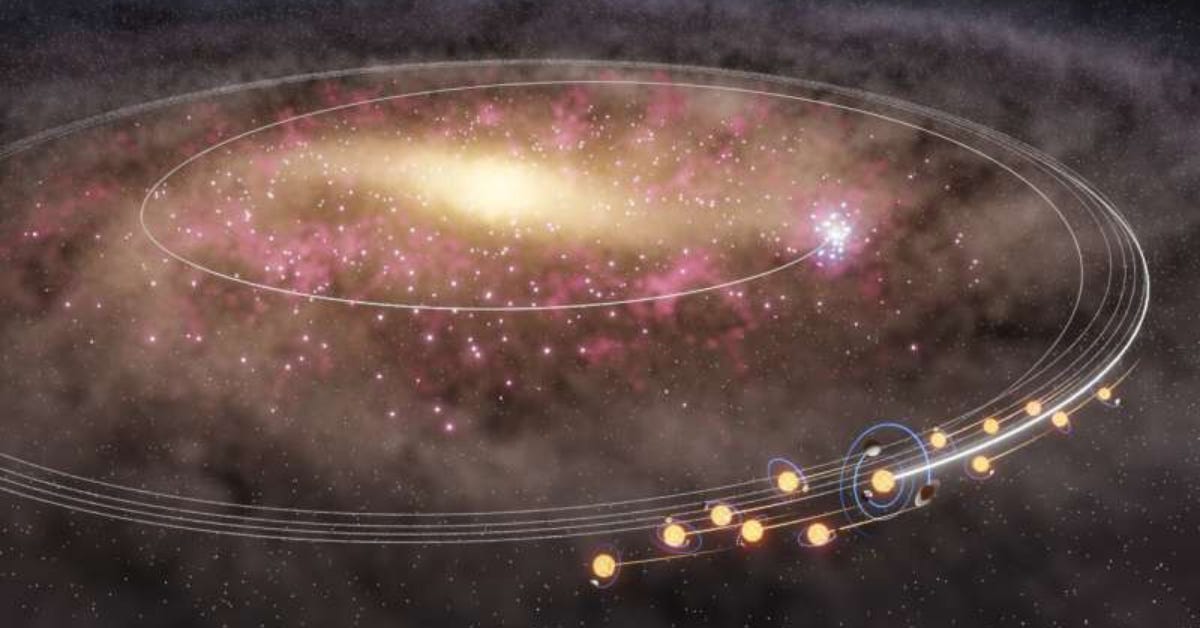
It’s a familiar human story. Young adults are drawn to vibrant, bustling cities full of culture. But as middle-age approaches, perhaps as they start a family, they up sticks to suburbia.
If a new study is to be believed, our Sun has been on a very similar journey.
Right now, the Sun sits at a comfortable distance from the centre of our Milky Way galaxy. It lives in the suburbs, far from the hectic downtown region that is home to a supermassive black hole.
But it might not have always occupied its current location. Astronomers from Tokyo Metropolitan University think the Sun started off its life much closer in, before migrating outwards.
The conclusion is based on a field of astronomy known as galactic archaeology. Astronomers study the speed and trajectory of modern stars and try to rewind the clock to see where they once were.
This new study is based on data from the powerhouse of this field: the European Space Agency’s Gaia telescope.
By creating a catalogue of stars some thirty times larger than previous attempts, the Japanese team found that stars with ages between 4 and 6 billion years were part of a mass migration outwards.
As the Sun is 4.6 billion years old, it could well have been part of this surge.
🎤 The Sunday Space Sessions

Last week’s Sunday Space Session was How We’ll Live on Mars.
You can watch the replay below, strictly until this Sunday only.
Life in the universe Masterclass - 26 April

Astronomers have found thousands of planets beyond our solar system, many are weird and wonderful worlds we could only have imagined beforehand. Others appear eerily like the Earth - could they be home to life?
I am running a paid, 2 hour online masterclass on 26 April, exploring the cutting-edge science behind the search for life beyond Earth - from habitable planets to technological civilisations.
📸 Image of The Week
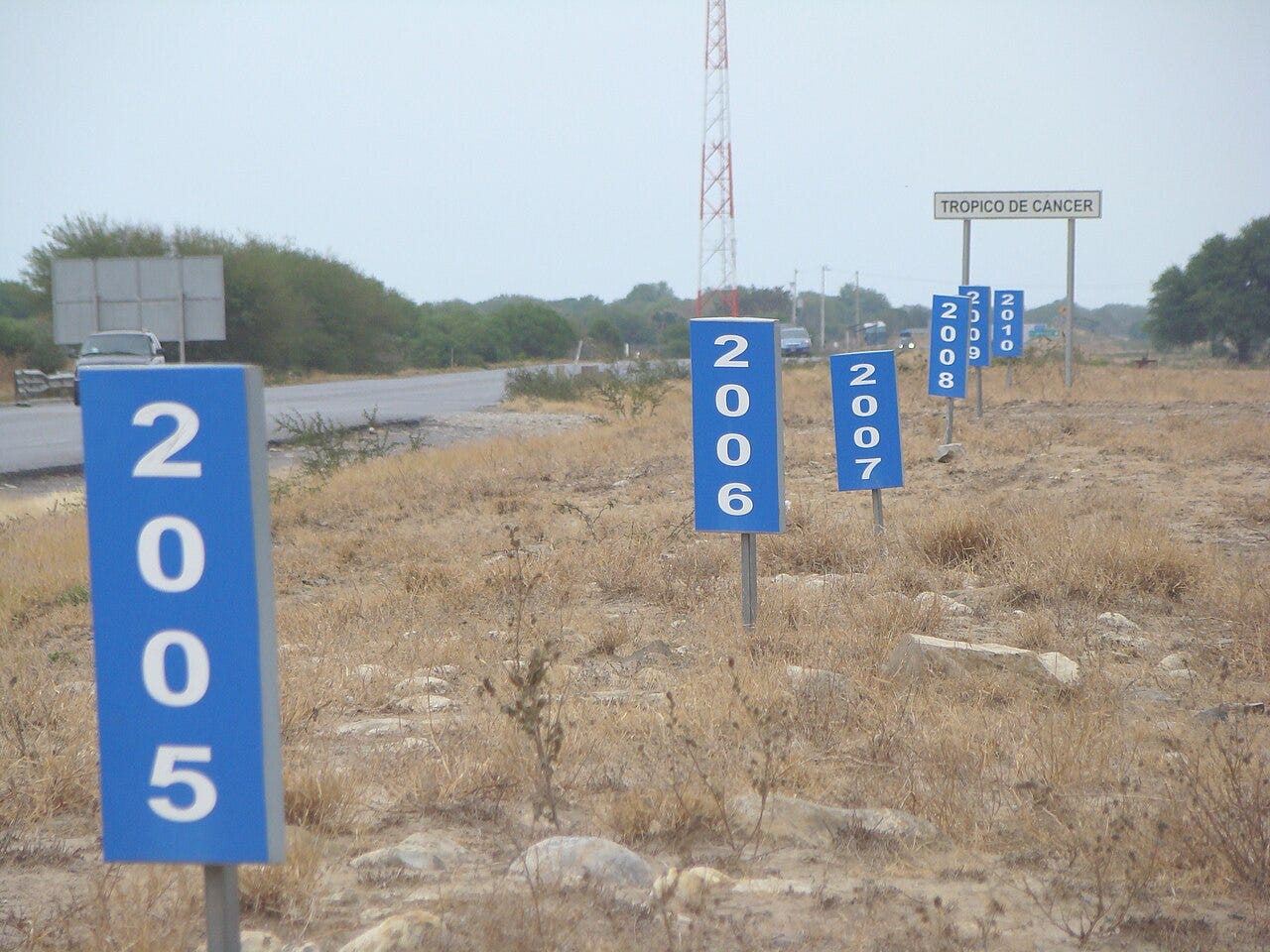
Due to the gravitational pull of Jupiter and Saturn, the Earth’s axis moves around a little.
This means that the Tropic of Cancer is currently drifting southwards by 15 metres each year. Signs on a highway in Mexico once tracked the changes, but sadly they no longer exist.
🏛️ From the Club’s Museum of Cosmic Curiosities
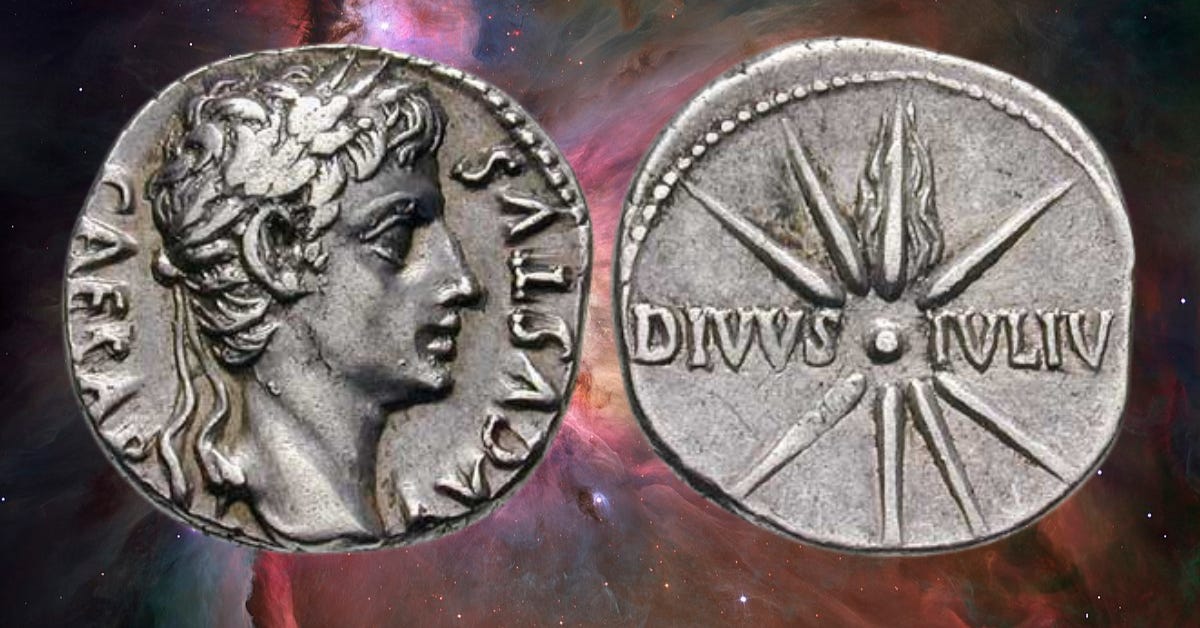
Exhibit 029 - Julius Caesar’s Comet Coin
As deaths go, Julius Caesar’s was one of the most infamous. His death in the Theatre of Pompey on 15 March 44 BCE remains legendary.
Less known is that, four months after his death, a comet blazed across the daytime sky in Rome. It appeared in July, the month of Caesar’s birth and the one named after him.
Some believed it to be the soul of Caesar himself. His great-nephew and successor - Augustus - after whom August is named, latched onto the myth.
He built the Temple of The Comet Star, containing a huge image of Caesar with a comet on his forehead. It was a way to cement his power and the cult of Caesar.
In later years, silver Denarius coins were minted showing the comet on the reverse.
The British Museum even holds one of the coins that at one time belonged to King George III.
🧭 Like this?
Your Astronomy Club membership comes with a free pass to the full Museum of Cosmic Curiosities, a growing cabinet of strange, profound & surprising objects from the history of astronomy and space exploration.
In other news…
Oval orbit casts new light on black hole–neutron star mergers
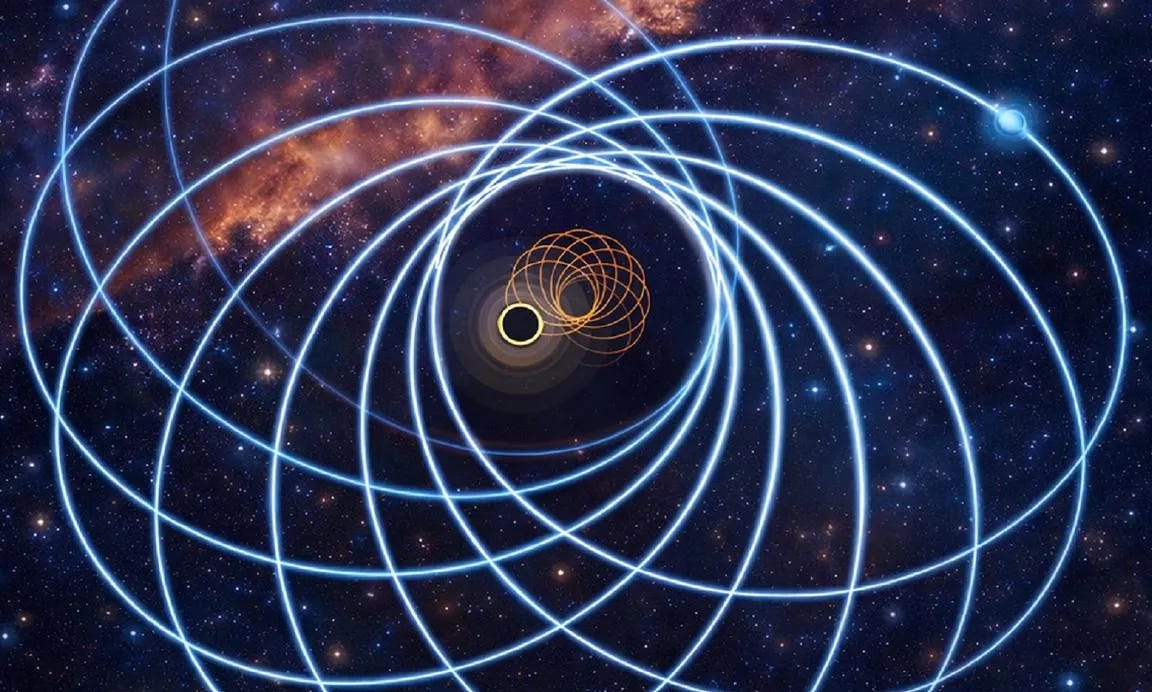
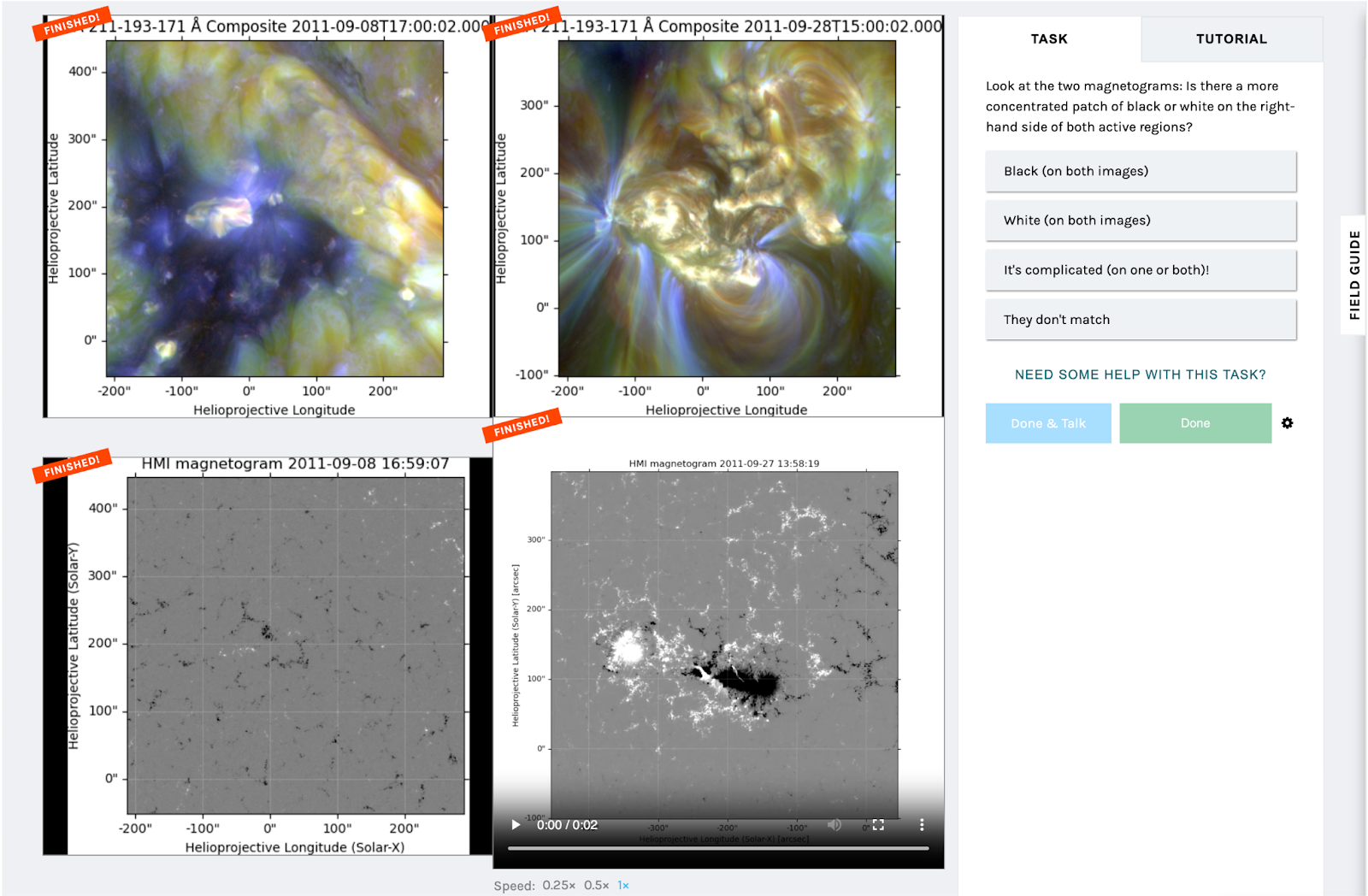
Volunteers find oddly high solar flare rates
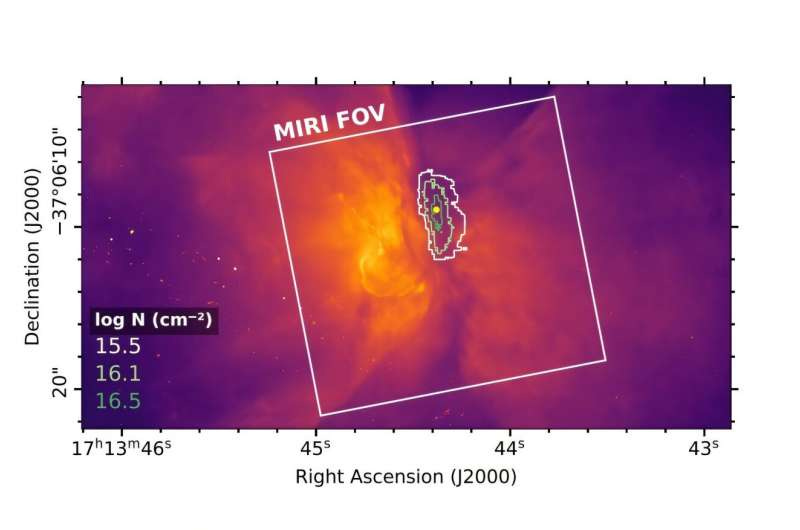
Dry ice detected in a planetary nebula for the first time
Didn't know you could reverse-engineer a star's birthplace from its current trajectory. The fact that Gaia's catalogue is 30x larger than the previous one is what unlocked this.