

When it comes to the search for life in space, certain elements and molecules are top of the hitlist. Think oxygen, methane or carbon dioxide.
Nickel, on the other hand, is barely ever mentioned. And yet, this metal could prove invaluable.
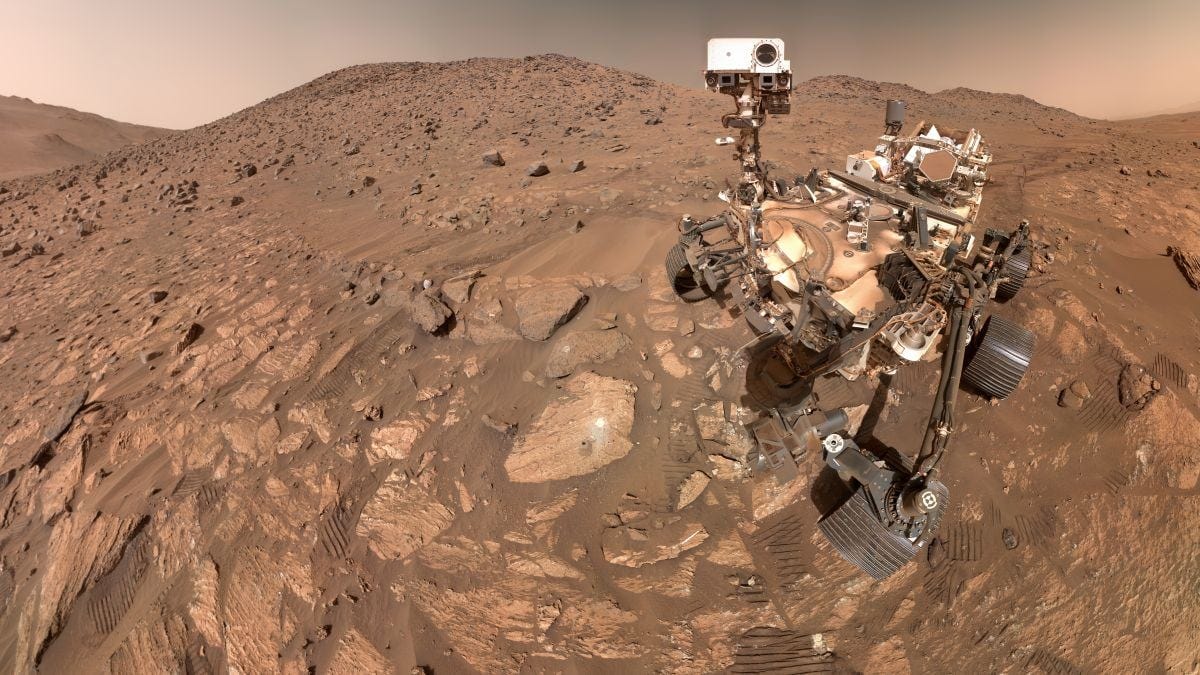
You usually find it in iron-nickel meteorites, but the Perserverance rover has spotted nickel in the bedrock of Mars in concentrations higher than ever seen before. The discovery was made in the Neretva Vallis - an ancient channel that once carried water into Jezero Crater.
The significance is two-fold.
Firstly, the nickel may have originally been delivered to Mars via meteorites, only to be dissolved and redistributed by flowing water.
Secondly, nickel is an important ingredient in the life of microbes here on Earth. Particularly methanogenic microbes - those that produce methane.
There have already been discoveries of excess methane in the Martian atmosphere. No-one knows for sure where it is coming from, but one option is that it was produced by microbes billions of years ago before becoming trapped. It is only be released now due to geological processes.
So if parts of Mars had both water and sufficient levels of nickel to sustain colonies of microbes, could the Red Planet have once been a living one?
📸 Image of The Week
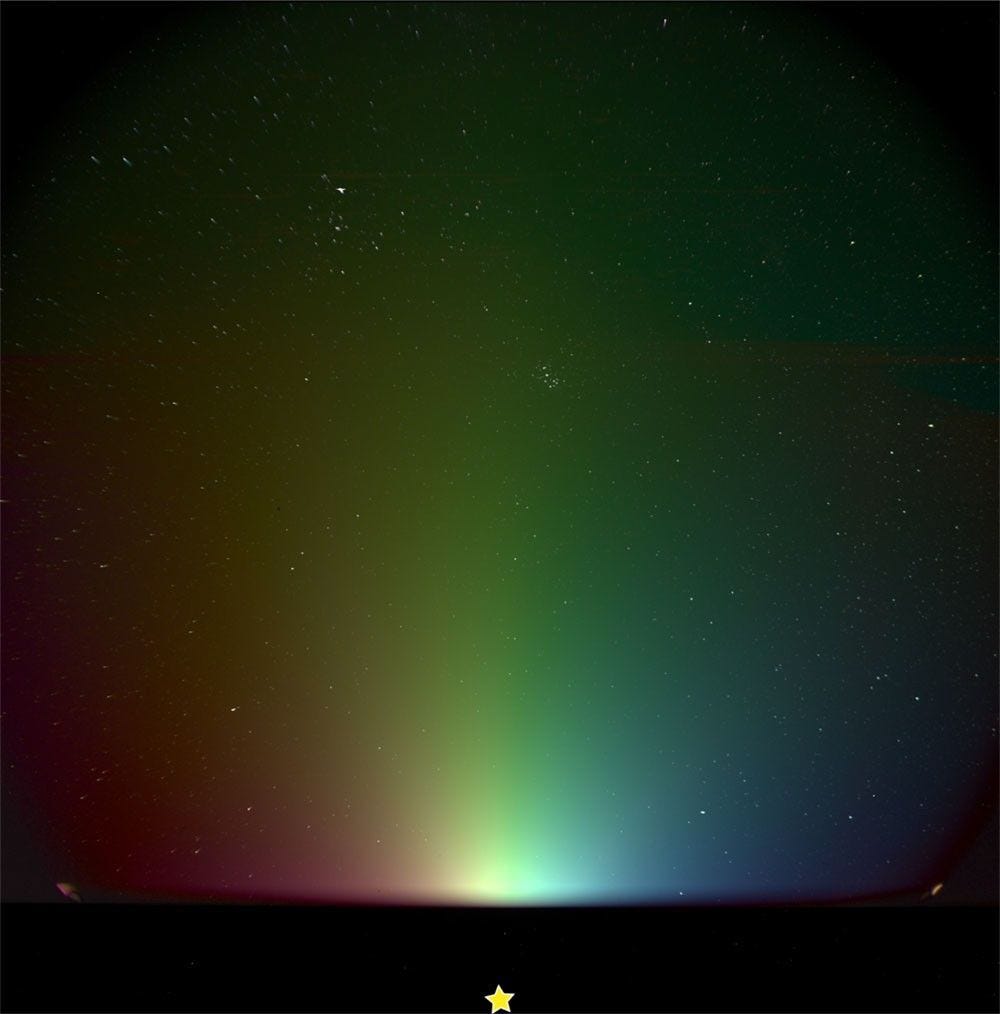
A cosmic rainbow of polarised zodiacal light.
It’s faint light scattered off solar system dust. Hue indicates direction and saturation indicates degree of polarisation. Look closely and you can even see The Pleiades just above centre.
🏛️ From the Club’s Museum of Cosmic Curiosities
Exhibit 032 - The Martian Morse Code Wheels
Easter eggs aren’t only for the weekend just gone.
Disney loves hiding hidden messages in films, Lego often does it with their brick sets and Taylor Swift is a master at it.
So too are the engineers at NASA’s Jet Propulsion Laboratory (JPL).
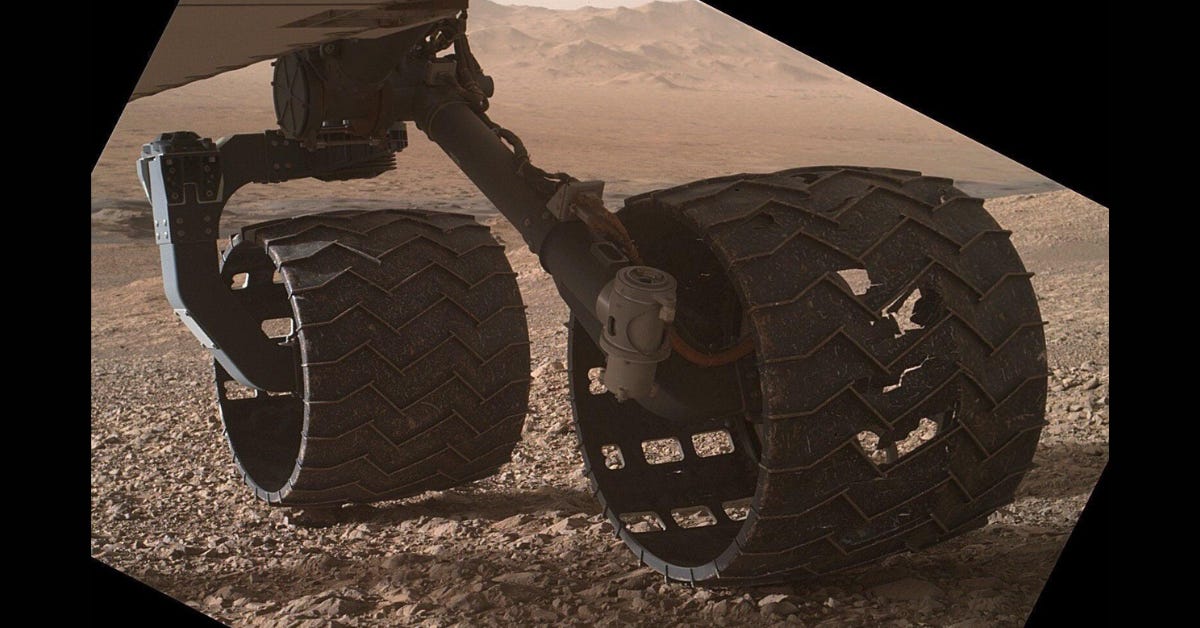
When it came to designing the wheels of the Curiosity Mars rover, they hid a secret in the tyre treads.
As Curiosity trundles across Mars, it imprints the letters JPL in Morse code into the dusty Martian surface.
Let’s face it, it’s partly about showing off.
But there’s also a serious side to it. By counting the number of JPLs left in the red dirt, the engineers can measure how far the rover has travelled.
🧭 Like this?
Your Astronomy Club membership comes with a free pass to the full Museum of Cosmic Curiosities, a growing cabinet of strange, profound & surprising objects from the history of astronomy and space exploration.
In other news…
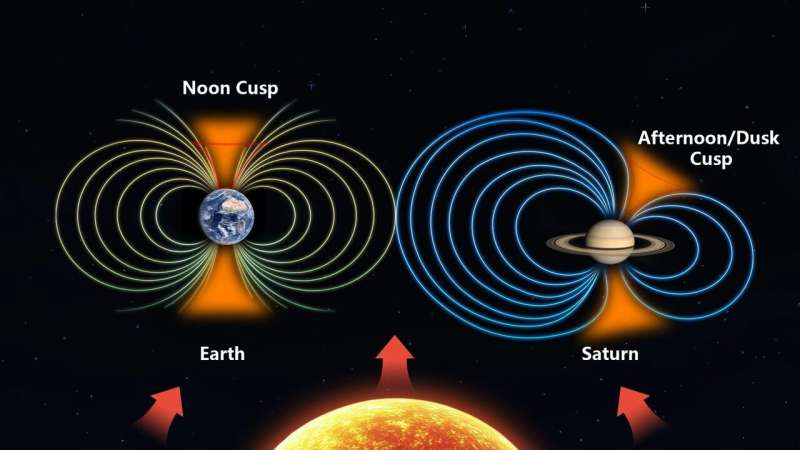
Saturn’s magnetic bubble is lopsided compared to Earth’s
Two rare white dwarfs confirmed as new stellar class

An Aerobot Could Explore Venus’s Atmosphere for Years