


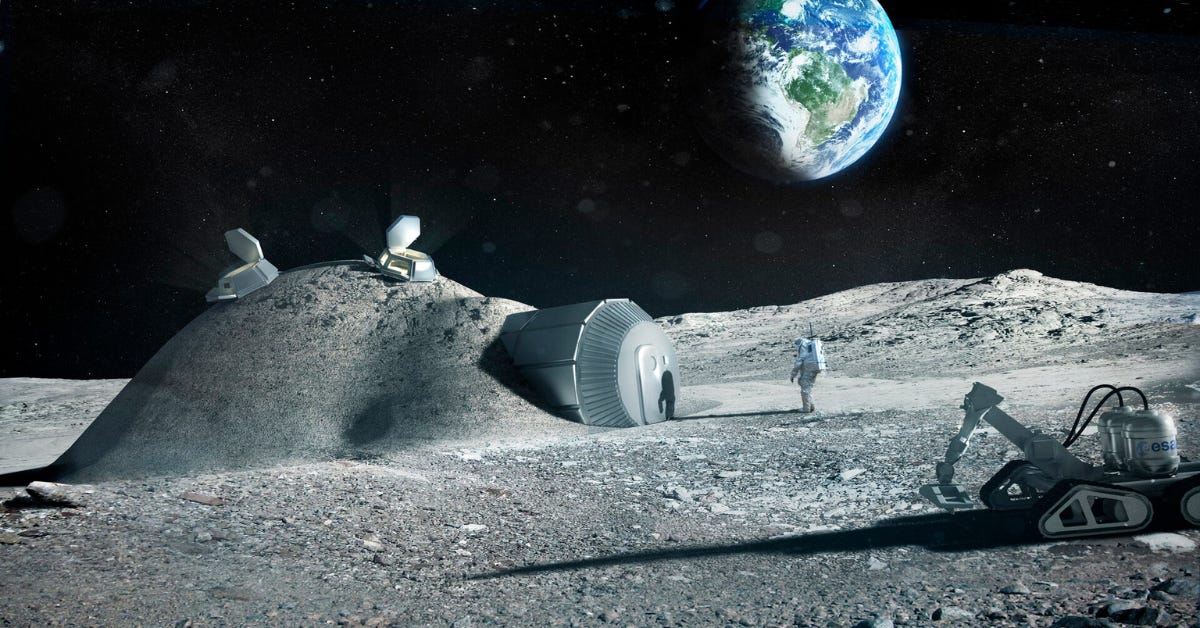
The trouble with space is that there is an awful lot of it. Even the Moon - by the far the nearest thing to us in space - is just under a quarter of a million miles away.
If we’re serious about building a future on the Moon - starting with the baby steps of the delayed Artemis II mission - then we need to box clever.
We don’t want to lug a lot of stuff from the Earth. Heaving it away from the gravity of our home planet is expensive. Instead, we want to make as much use of what the Moon already has to offer.
In space science circles, the buzz-phrase is In-Situ Resource Utilisation (ISRU).
This week saw an interesting development. A team at Ohio State University used a special laser 3D printing method to turn simulated lunar soil into small, heat-resistant objects.
"There are so many applications that we're working toward that with new information, the possibilities are endless," says lead scientists Sizhe Xu.
The team also introduced metal and ceramics into the feedstock to produce different end products.
But there are plenty of challenges ahead, including how to power the printer when you have to rely on solar energy.
It isn’t just the Moon they have in their sights. One day it may be possible to manufacture materials in space for use here on the ground.
"If we can successfully manufacture things in space using very few resources, that means we can also achieve better sustainability on Earth," says team member Sarah Wolff.
🎤 The Sunday Space Sessions

Last week’s Sunday Space Session was The Ultimate Guide to Time Travel.
You can watch the replay below - skip to 04:20 for the start
(available until 8 March only).
Next up…
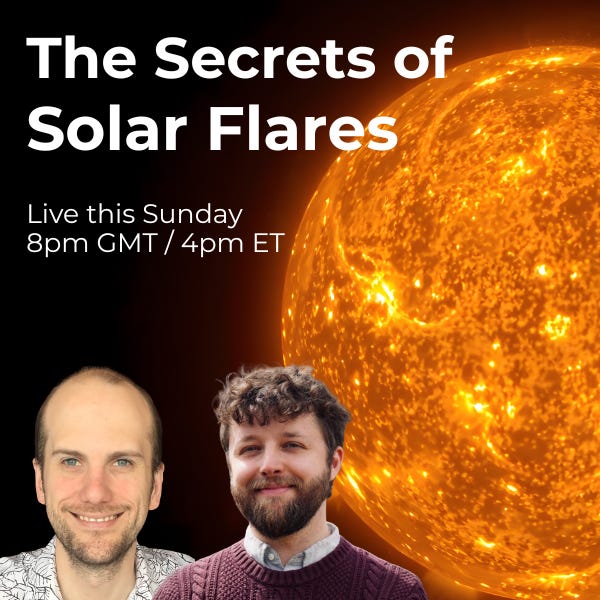
I’ll be asking solar flare expert Ryan about some of the most explosive events in the solar system and how they affect us on Earth.
8 March - 8pm UK / 4pm ET / 1pm PT
Note: due to the US deploying daylight savings before the UK, there’s a slightly later US start time for the next few weeks.
📸 Image of The Week
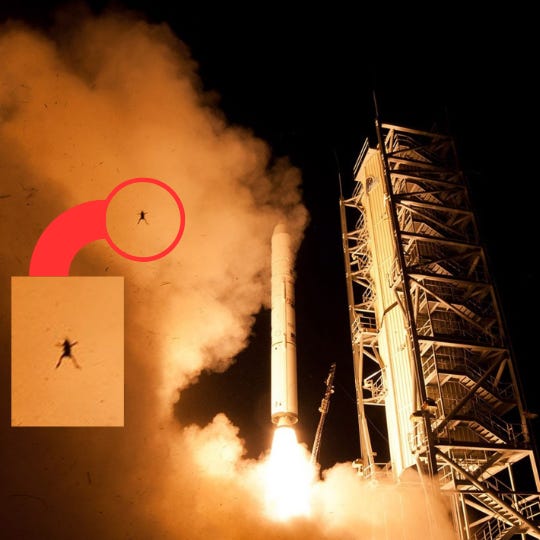
A frog took a flight of its own during the launch of the LADEE spacecraft towards the Moon.
🏛️ From the Club’s Museum of Cosmic Curiosities
Exhibit 027 - Tycho Brahe’s Gravestone
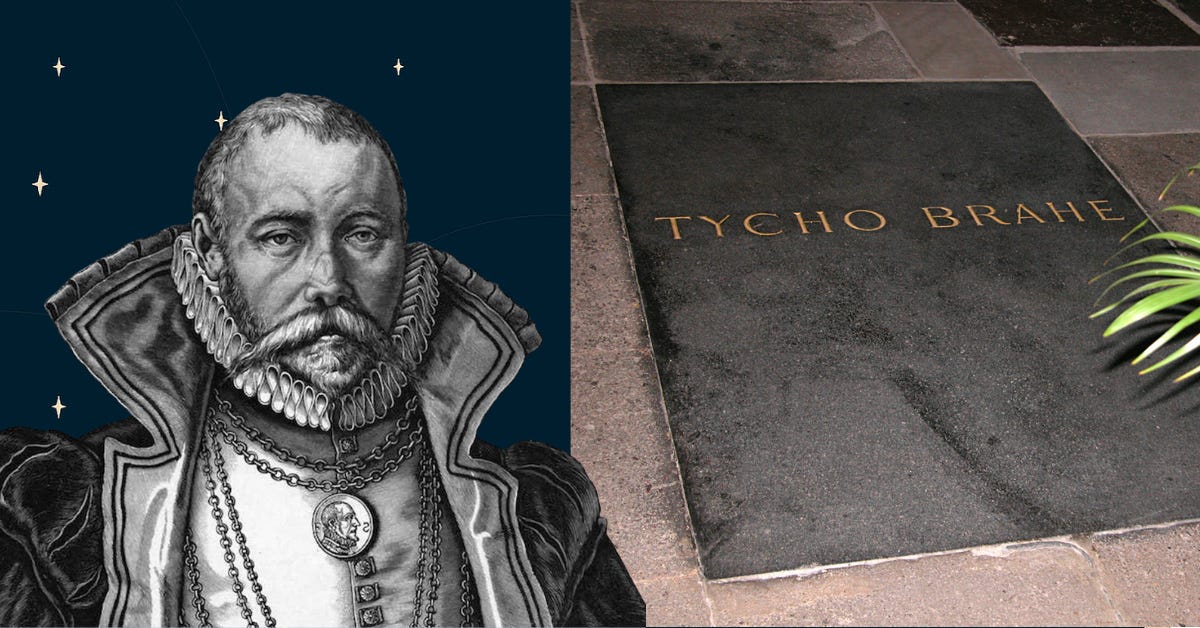
Danish astronomer Tycho Brahe was the dictionary definition of an eccentric.
He famously lost the tip of his nose in a sword fight with his cousin over a mathematical disagreement. He was also a massive inspiration to William Shakespeare when the Bard was writing Hamlet.
Danish? Check. Lived in a castle? Check. Knew people called Rosencrantz and Guildenstern? Check (they were Brahe’s relatives). Battled someone called Claudius? Check (Brahe fought against the astronomical view of Claudius Ptolemy).
Brahe died in 1601 after a banquet in Prague, refusing to leave the table to use the facilities. His bladder burst, causing uraemia - urine entering his bloodstream. He was poisoned from the inside.
At least that’s the story told by Brahe’s assistant, Johannes Kepler.
Kepler inherited Brahe’s astronomical data, something the Dane guarded closely in life. A rumour grew: did Kepler poison Brahe to get the data and used the banquet as a smokescreen?
To find out, scientists exhumed Brahe’s remains not once, but twice.
The first time was in 1901. A 1996 analysis of the astronomer’s moustache and hair samples, taken from that exhumation, showed elevated levels of mercury (a somewhat ironic poison for an astronomer!).
Then, in 2010, Tycho’s gravestone was removed once more. With more modern testing techniques, analysis of his bones ruled out mercury poisoning.
And so the death of the last great astronomer of the pre-telescope age remains somewhat of an enigma.
🧭 Like this?
Your Astronomy Club membership comes with a free pass to the full Museum of Cosmic Curiosities, a growing cabinet of strange, profound & surprising objects from the history of astronomy and space exploration.
In other news…
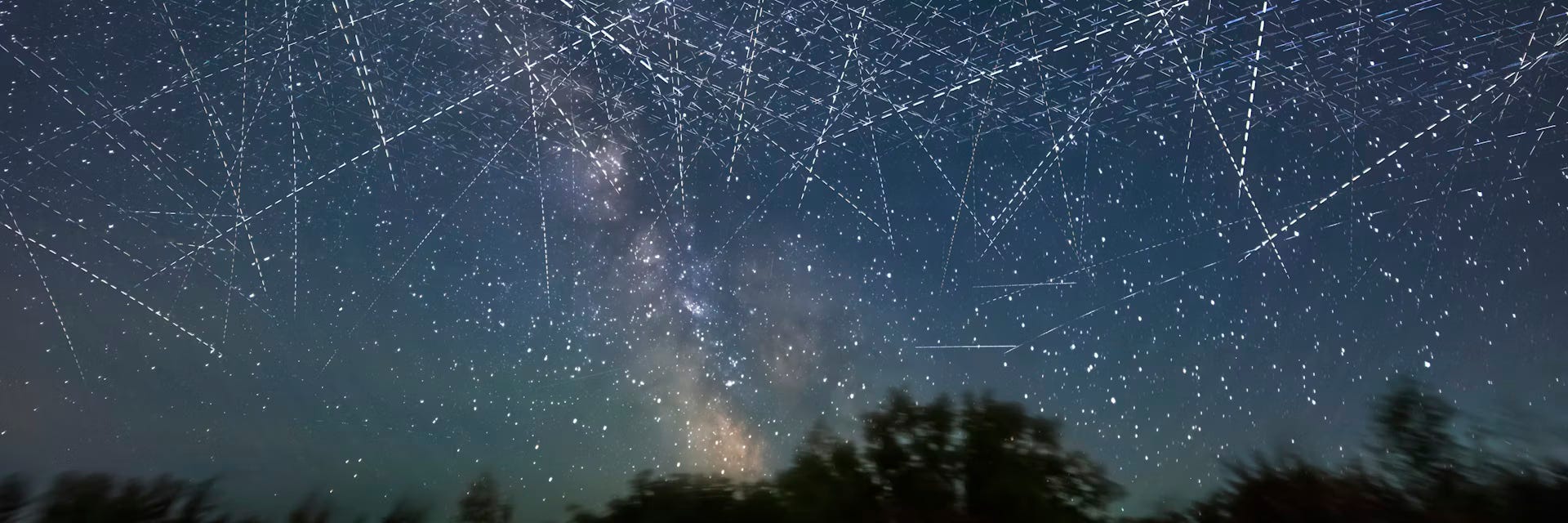
A new space race could turn our atmosphere into a ‘crematorium for satellites’
Tardigrades help us figure out if Martian soil might support plant life

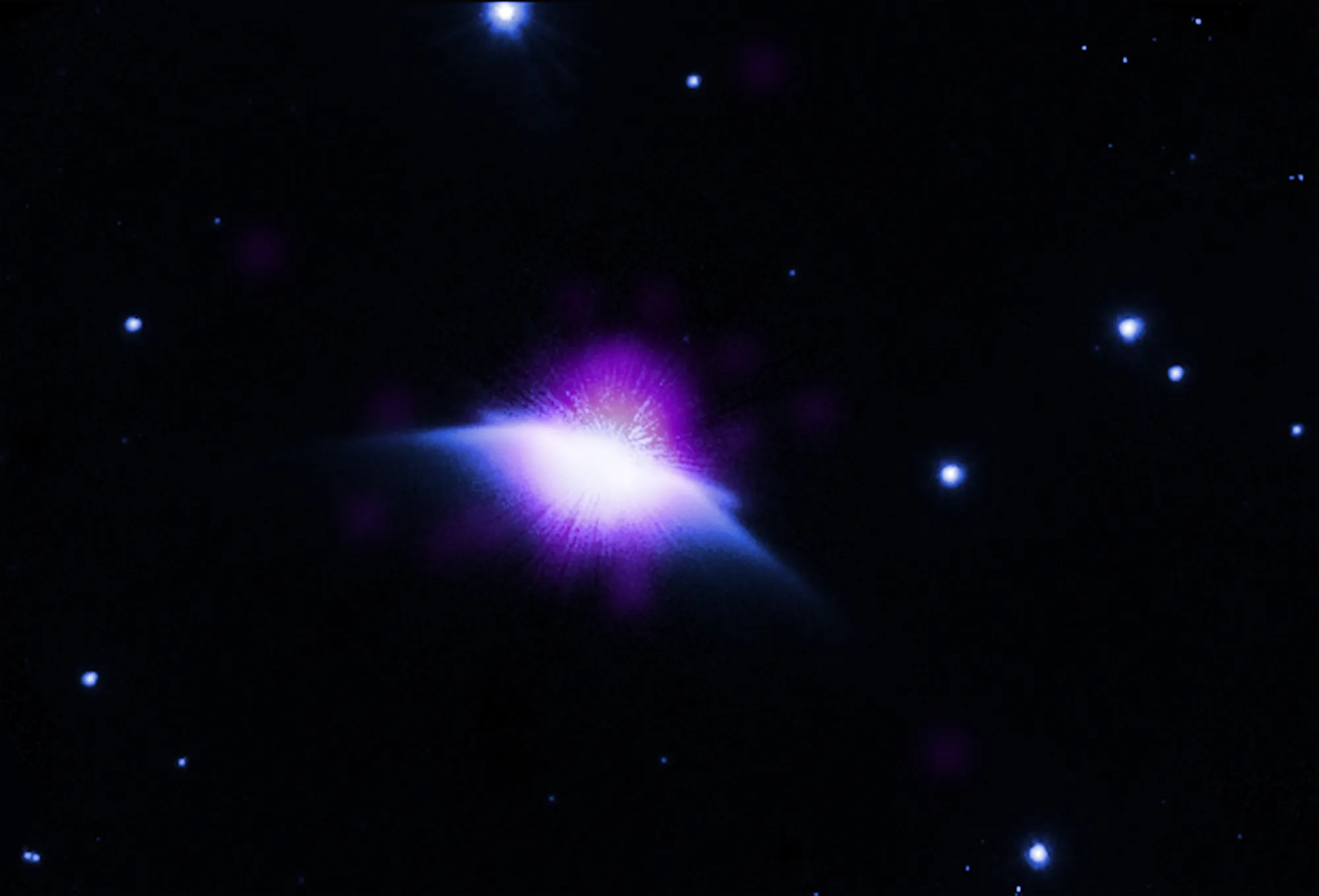
Young sun caught blowing bubbles
The solar power problem is the real bottleneck. Lunar nights last 14 Earth days. A printer that can't run half the month isn't much of a construction tool.